Sloane Square Moves: Local Removals Tips for SW3
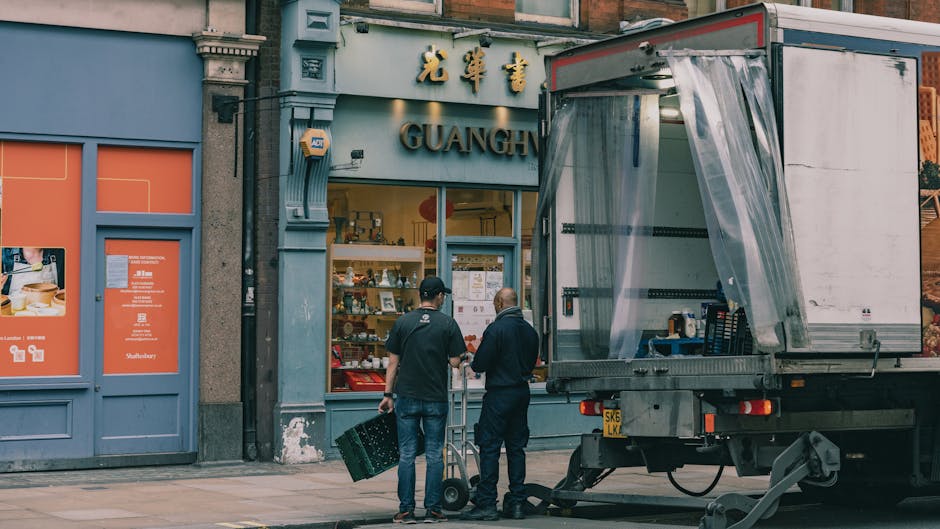
Moving around Sloane Square can look straightforward on a map, but anyone who has done it knows the reality is a little tighter, busier, and more time-sensitive than a typical London move. Between controlled parking, narrow residential streets, period properties, lift access that may or may not cooperate, and the usual Chelsea traffic patterns, a well-planned local move in SW3 can save you a lot of stress.
This guide to Sloane Square moves: local removals tips for SW3 is designed for people who want practical advice, not vague reassurance. You will find a clear breakdown of how local removals work, what helps most in this part of London, where people usually get caught out, and how to choose the right support for the job. Whether you are moving a flat, a townhouse, an office, or just a few bulky items, the goal is the same: make the day calmer, quicker, and less expensive than it needs to be.
If you are comparing service levels, you may also find it useful to look at home moving support, a flexible man and van service, or full house removalists if you have more than a small load. For office or commercial relocations, dedicated office relocation services and commercial moves are usually the better fit.
Table of Contents
- Why Sloane Square Moves: Local Removals Tips for SW3 Matters
- How Sloane Square Moves: Local Removals Tips for SW3 Works
- Key Benefits and Practical Advantages
- Who This Is For and When It Makes Sense
- Step-by-Step Guidance
- Expert Tips for Better Results
- Common Mistakes to Avoid
- Tools, Resources and Recommendations
- Law, Compliance, Standards, or Best Practice
- Options, Methods, or Comparison Table
- Case Study or Real-World Example
- Practical Checklist
- Conclusion
- Frequently Asked Questions
Why Sloane Square Moves: Local Removals Tips for SW3 Matters
Sloane Square sits in one of London's most characterful and demanding postcodes. That combination is exactly why local removals planning matters so much here. SW3 properties often include period conversions, maisonettes, elegant terraces, mews homes, and apartment buildings with limited loading access. Lovely to live in; not always built with moving day in mind.
The difference between a smooth move and a chaotic one usually comes down to logistics. Can the vehicle stop close enough to the property? Is there room for the team to carry furniture safely? Will the lift fit a sofa or mattress? Is the timing aligned with building rules and local traffic conditions? These are the questions that need answering before the first box is lifted.
In an area like Sloane Square, poor planning can lead to avoidable issues: wasted labour time, missed access windows, damaged furniture, or a move that spills into the evening. A well-run local move, by contrast, keeps momentum. It also tends to be less physically tiring, because fewer surprises means fewer frantic trips, fewer awkward manoeuvres, and fewer last-minute compromises.
There is also a commercial angle. If you are moving a small office, studio, clinic, or showroom in or around Chelsea, a local removals plan needs to fit business continuity. In those cases, the right planning is not just convenient; it helps protect appointments, staff time, and customer experience.
Expert summary: In SW3, the best removals plan is rarely the biggest one. It is the one that matches access, timing, building rules, and the actual volume of items being moved.
How Sloane Square Moves: Local Removals Tips for SW3 Works
A local removal in Sloane Square usually follows a simple structure, but the quality of each stage makes a big difference.
1. Initial assessment
The first step is understanding what is being moved. A one-bedroom flat with a few bulky pieces is very different from a family house or a small office. Good planning starts with the inventory: furniture, boxes, fragile items, appliances, and anything that needs dismantling or specialist handling.
If your move is modest, a man with van arrangement can often be enough. If you have multiple heavy items, stairs, or a larger household, a fuller service such as removal truck hire may be more appropriate.
2. Access and route planning
SW3 rewards careful route planning. The practical question is not simply "How far is it?" but "How will the crew actually get from property to vehicle and back again?" That means checking loading options, entry restrictions, road width, and whether a vehicle will need to wait nearby rather than directly outside the building.
For some jobs, especially where timing is tight, a moving truck is the right choice because it gives you enough capacity in one trip. For lighter loads, a smaller vehicle or man and van setup can be easier to position in a dense neighbourhood.
3. Packing and preparation
Packing is more than putting items into boxes. It is about making the move faster, safer, and easier to unload. Good packing reduces breakages and also cuts the time spent rechecking, repacking, and reorganising on arrival.
Some people handle this themselves; others prefer to use packing and unpacking services to save time and avoid the stress of deciding what should go where at 7 a.m. on moving day. That support can be especially useful if you are moving with children, work obligations, or a hard deadline.
4. Loading and transit
On the day, the loading sequence should follow a sensible order: heavier items first, fragile items protected, and frequently needed essentials kept accessible. A local SW3 move is often short in distance but high in complexity because there may be several stops, parking adjustments, or a building handover window to manage.
5. Delivery and placement
Once on site, the crew should place furniture and boxes where they are meant to go, not simply dump them by the door. That sounds obvious, but in real life it is one of the details that separates a decent move from a frustrating one. The best local removals teams make the unloading feel structured rather than improvised.
Key Benefits and Practical Advantages
A well-planned local move in Sloane Square offers benefits that go beyond convenience. It can genuinely improve the whole experience of relocating.
- Less wasted time: planning access and timing properly reduces delays during loading and unloading.
- Lower physical strain: smaller, better-organised loads are easier and safer to carry.
- Reduced damage risk: proper packing and vehicle selection help protect furniture and fragile items.
- Better cost control: fewer delays and fewer extra trips usually mean a more efficient move.
- Less disruption: this matters a lot if you are moving from or into a busy household, rental property, or office.
- Cleaner handover: a controlled move helps you meet checkout, tenancy, or building handover expectations more easily.
There is also a psychological benefit people often underestimate. When a move is organised, you feel more in control. That counts for a lot on a day that can otherwise feel oddly chaotic. Truth be told, moving is one of those tasks that looks simple until you are standing in a hallway surrounded by half-labelled boxes and a wardrobe that refuses to fit through the door.
If you are relocating a smaller set of items, a targeted service like furniture pick-up can be more efficient than booking a larger move than you need. For bigger homes, full home moves tend to provide better coordination.
Who This Is For and When It Makes Sense
This approach works for a wide range of people in SW3, but it is especially useful if you recognise any of these situations:
- You are moving within Sloane Square, Chelsea, or a nearby central London area.
- You live in a period property with stairs, narrow corridors, or awkward access.
- You need to move on a specific date and cannot afford delays.
- You have large or heavy items such as wardrobes, sofas, beds, or office desks.
- You want help with packing, lifting, and transport rather than managing it all yourself.
- You are moving a flat, townhouse, studio, or small business premises.
For some readers, the best choice will be a simple local transport solution. For others, the better option is a more complete team-based service. If your move involves multiple rooms and a full furniture load, a full house removalists service may be the best fit. If the move is mostly about one or two larger pieces, a smaller-scale service may be enough.
Commercial customers should think about continuity first. A reception desk, filing cabinets, display items, or workstations may not be as bulky as a family home's contents, but business interruption can make a badly timed move surprisingly expensive in practical terms.
Step-by-Step Guidance
Here is a practical way to organise a local Sloane Square move without overcomplicating it.
- Sort what is moving. Separate items into keep, donate, recycle, and move. Do this before packing, not after.
- Measure key furniture and access points. Doorways, stair turns, lifts, and hallway widths matter more than people expect.
- Check building rules and timing. Some buildings have preferred moving hours, booking requirements, or lift protection rules.
- Choose the right vehicle and service level. Match the job size to the transport, whether that means a van, truck, or a more complete removal team.
- Pack for speed and safety. Use sturdy boxes, cushion fragile items, and label clearly by room.
- Prepare an essentials bag. Keep keys, chargers, medicines, important documents, water, and a few basics with you.
- Confirm parking and access arrangements. Do not leave this to the morning of the move if you can avoid it.
- Load in the right order. Place heavier and sturdier items first, then build around them carefully.
- Walk the new property before unloading. It is much easier to place furniture well than to shift it twice.
- Check everything at the end. Look for missed boxes, damage, and items that need reassembly or relocation.
A small but useful detail: label boxes not just by room, but by priority. "Kitchen - everyday" is more useful than "kitchen" when you want a kettle, mugs, and cutlery straight away.
Expert Tips for Better Results
The best SW3 moves tend to be built on small, sensible choices rather than dramatic gestures. A few examples:
- Move less than you think you need to. Old chargers, duplicate cookware, outgrown clothes, and broken furniture quietly add weight and time.
- Book earlier than you feel you need to. Central London schedules can tighten quickly, especially around month-end and weekends.
- Use proper protection for surfaces. Hallways, banisters, and door frames in older properties are easy to scuff.
- Keep one person focused on direction. A move runs better when someone is deciding where items should go, rather than everyone giving instructions at once.
- Separate valuables and documents. Passports, contracts, jewellery, and work equipment should travel with you, not in the main load.
- Plan for the weather. Rain is not dramatic in London; it is just another Tuesday. But wet boxes and slippery steps can still slow everything down.
If you are unsure what level of support you need, look at the job size and the access challenges first. That tends to be a more reliable guide than trying to guess based on property type alone. A compact flat with terrible stair access can be harder than a larger one with a lift and good parking.
For people who want a hands-off start or finish, pairing transport with packing and unpacking help can make a surprisingly big difference to how the day feels.
Common Mistakes to Avoid
Most moving problems are predictable. That is the good news. The bad news is that many of them are also stubbornly common.
- Assuming access will work out on the day. In busy SW3 streets, "we'll figure it out later" is not a strategy.
- Overfilling boxes. Heavy boxes are harder to carry and more likely to split.
- Ignoring furniture dimensions. A sofa that fits in the living room may still fail the stair turn.
- Packing fragile items loosely. Newspapers and wrapping matter. So does not cramming one box with random breakables.
- Leaving packing too late. Last-minute packing always looks quicker until you are doing it under pressure.
- Choosing the wrong vehicle size. Too small means multiple trips; too large can complicate access and parking.
- Forgetting building communication. If the concierge, landlord, or management team needs notice, give it early.
One common mistake is trying to turn a local move into a series of improvisations. That tends to increase stress and reduce efficiency at the exact same time, which is not a great trade-off.
Tools, Resources and Recommendations
You do not need specialised equipment for every move, but a few basics are worth having ready.
- Strong boxes: Use a mix of small and medium sizes so you do not create overly heavy loads.
- Packing tape and labels: Clear labels save time at both ends of the move.
- Protective wrap or blankets: Especially useful for wood furniture, mirrors, and appliances.
- Trolley or dolly: Helpful for heavier boxes where building access allows it.
- Dust sheets or covers: Good for keeping furniture and flooring cleaner during loading.
- Basic toolkit: Screwdrivers, Allen keys, and tape can help with simple dismantling and reassembly.
Choosing the right service is also part of the toolkit. A smaller local move may suit man and van support, while bigger residential jobs often benefit from fuller moving coordination. If you are comparing options, it is worth thinking about whether you need transport only, loading help, packing support, or the complete package.
You can also review the company's wider approach through its about us page and confirm practical details on the contact page before booking. A clear pre-move conversation is usually more valuable than a rushed one on the morning of collection.
Law, Compliance, Standards, or Best Practice
Local removals in central London usually do not require the customer to manage legal complexity directly, but best practice still matters. If you are moving from a rented property, check your tenancy obligations and handover expectations. If you are in a managed building, confirm any moving rules set by the landlord, freeholder, or building manager.
For street access and parking, the practical issue is often local permission or restrictions rather than anything dramatic. In central areas, loading plans should be checked carefully in advance so that the vehicle is positioned lawfully and safely. The exact requirements can vary by street and borough, so it is wise to confirm them rather than assume.
Health and safety best practice is equally important. Heavy lifting should be managed sensibly, walkways should stay clear, and fragile items should be secured during transport. If a move involves office equipment, protect data-bearing devices and back up files before they are moved. That is not alarmist; it is just sensible housekeeping.
For business customers, commercial moves benefit from a clear inventory and a documented plan for what is moving first, what stays live, and what needs to be reconnected on arrival. That approach helps reduce downtime and confusion.
Options, Methods, or Comparison Table
Different moves need different methods. Here is a simple comparison to help you decide.
| Move type | Best for | Strengths | Watch-outs |
|---|---|---|---|
| Man and van | Smaller moves, single rooms, light furniture | Flexible, efficient, often ideal for local travel | May not suit large houses or heavy multi-room loads |
| Moving truck | Bulkier loads and fewer trips | More capacity, better for coordinated moves | Needs more planning for parking and access |
| Full house removal service | Family homes and larger inventories | Comprehensive support, less stress for the customer | Usually more involved in planning and logistics |
| Packing and transport combined | Busy households or time-sensitive moves | Fastest route to an organised day | Requires clear instruction about priorities and fragile items |
If your move includes surplus furniture or items that are not going to the new property, a furniture pick-up can help clear the clutter before moving day. That small decision often saves time and makes the new place easier to set up.
Case Study or Real-World Example
Consider a typical SW3 scenario: a couple moving from a two-bedroom flat near Sloane Square to a nearby townhouse. On paper, it looks like a short, easy relocation. In practice, there are a few moving parts: a lift with limited availability, a narrow entrance, one large sofa, several framed items, and a tight handover window at the new property.
Instead of treating it as a simple "load the van and go" job, they break the move into phases. They declutter a week earlier, book the right-sized vehicle, label boxes by room, and set aside fragile items separately. They also check access at both properties and keep essential items in a personal bag.
The result is not magical. It is just organised. The team spends less time standing around, the furniture moves with fewer issues, and the couple reaches the new property with enough energy left to unpack the kitchen properly. That is often the real win with local removals: not perfection, but a move that feels controlled.
This is also where local knowledge helps. A team that understands central London logistics is better placed to plan around timing constraints, parking realities, and building access challenges. That experience can shave a surprising amount of friction off the day.
Practical Checklist
Use this checklist the week before and the day of your move in SW3.
- Confirm your move date, time window, and access arrangements.
- Check whether your building needs advance notice or lift booking.
- Measure large furniture and key access points.
- Declutter items you do not want to take.
- Gather boxes, tape, labels, and protective materials.
- Pack fragile items carefully and mark them clearly.
- Prepare an essentials bag for the first 24 hours.
- Keep documents, keys, and valuables with you.
- Review vehicle size and whether you need loading help.
- Plan where each room's boxes should go in the new property.
- Take final meter readings and photos if needed.
- Walk through both properties before and after loading.
Key takeaway: A successful Sloane Square move is usually the result of simple planning done early, not clever improvisation done late.
Conclusion
Sloane Square moves are manageable when you treat them as a logistics project rather than just a physical task. In SW3, the main challenges are rarely distance or driving time; they are access, timing, building rules, and the amount of work hidden inside what first looks like a "local" move.
The good news is that most of those challenges can be handled with a clear plan. Choose the right service level, pack with purpose, check access early, and avoid squeezing a complex move into a last-minute schedule. Do that, and the day becomes much more predictable.
If you are comparing options, consider whether you need a smaller transport solution, a full removal team, or extra help with packing and delivery. The best choice is the one that fits your property, your timetable, and your tolerance for hassle. That is the honest answer, and it usually saves people money as well as stress.
Get a free quote today and see how much you can save.
Frequently Asked Questions
What makes moving in Sloane Square different from other parts of London?
SW3 often combines busy roads, tight access, period properties, and building-specific rules. Even a short move can take careful planning because loading space and stair access matter more than distance.
Is a man and van service enough for a local move in SW3?
It can be, especially for smaller flats, light furniture, or single-room moves. If you have multiple large items, several flights of stairs, or a full household, a larger removal setup may be more practical.
How far in advance should I book a local removal?
As early as you can, particularly if you need a specific weekday, a month-end slot, or moving help at a busy time of year. Central London availability can tighten quickly.
Do I need packing services, or can I do it myself?
You can absolutely pack yourself if you have time and energy. Packing services make more sense if you are short on time, moving quickly, or want a more organised start and finish.
What is the best way to move large furniture in a narrow property?
Measure before moving day, protect corners and walls, and make sure the item is carried in a controlled sequence. Sometimes partial dismantling is the simplest and safest option.
Should I hire a moving truck for a short local move?
Short distance does not always mean small load. If you have a bulky inventory, a moving truck can reduce the number of trips and simplify the day.
How can I avoid damage during a move?
Use strong boxes, proper padding, clear labelling, and sensible loading order. Fragile items should be separated from heavy items and secured properly in transit.
Are there special access issues in Chelsea and Sloane Square buildings?
Often, yes. Some buildings have restricted entry times, narrow halls, small lifts, or loading preferences. It is best to confirm these details in advance rather than assume they will be fine on the day.
What should I keep with me instead of putting it in the van?
Keep valuables, documents, keys, medicines, chargers, and anything you need immediately after arrival. A small personal bag can save a lot of searching later.
Is it worth clearing unwanted furniture before moving day?
Usually, yes. Removing unneeded items before the move reduces load size, cuts packing work, and makes unpacking much easier. A targeted furniture pick-up can help with that.
What should a business in SW3 do differently from a home move?
Business moves should prioritise continuity, data protection, and clear sequencing. You want a plan that keeps essential work running while items are being relocated.
How do I know whether I need a full removals team or a smaller service?
Look at the volume, the access, and the number of heavy items. If the move is simple and local, a smaller service may be enough. If it is a full household or office relocation, a more complete team is usually the better fit.
For a straightforward next step, review the move size, check your access constraints, and speak with a provider that understands central London logistics. A short conversation at the start usually prevents much longer conversations later.