Fulham Road Removals Tips for Narrow Victorian Terraces
Moving out of a narrow Victorian terrace on Fulham Road can feel like a game of Tetris with heavier consequences. Tight hallways, steep staircases, awkward corners, and limited parking all make the day more complicated than a standard house move. The good news? With the right planning, Fulham Road removals tips for narrow Victorian terraces can save time, reduce damage, and make the whole process feel far less chaotic.
This guide walks through the practical side of moving in this part of West London: how to prepare the property, how removals teams navigate tight spaces, what mistakes to avoid, and which options tend to work best. Whether you are moving a small flat in a converted terrace or a family home with a lot of furniture to shift, the same principle applies: measure first, move second. Simple enough in theory. A bit less simple in real life.
For a smoother home move, many people also compare support such as home moves, house removalists, or a flexible man with van option, depending on how much you need to transport and how tight the access is.
Table of Contents
- Why Fulham Road Removals Tips for Narrow Victorian Terraces Matter
- How Fulham Road Removals Tips for Narrow Victorian Terraces Works
- Key Benefits and Practical Advantages
- Who This Is For and When It Makes Sense
- Step-by-Step Guidance
- Expert Tips for Better Results
- Common Mistakes to Avoid
- Tools, Resources and Recommendations
- Law, Compliance, Standards, or Best Practice
- Options, Methods, or Comparison Table
- Case Study or Real-World Example
- Practical Checklist
- Conclusion
- Frequently Asked Questions
Why Fulham Road removals tips for narrow Victorian terraces Matters
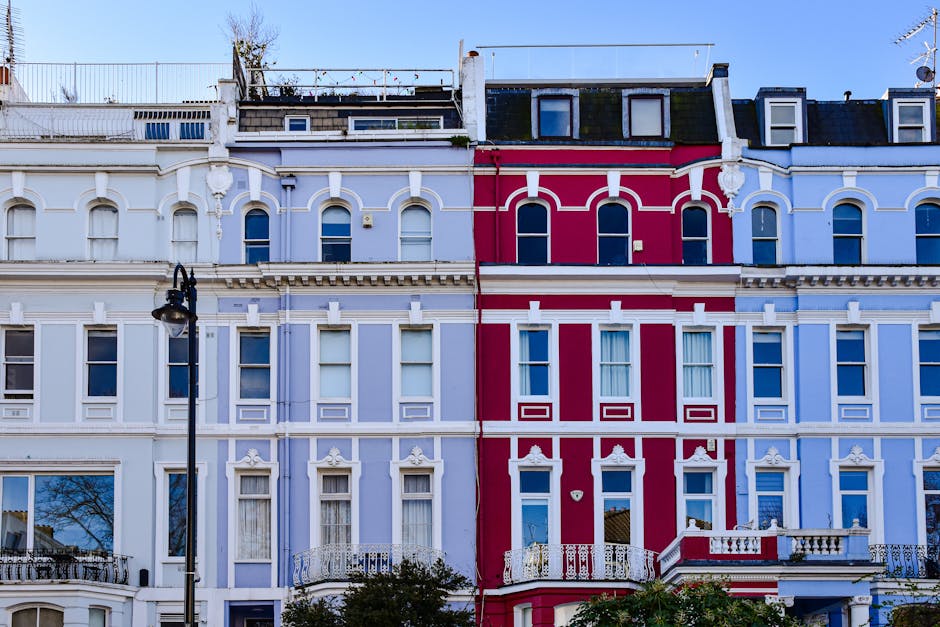
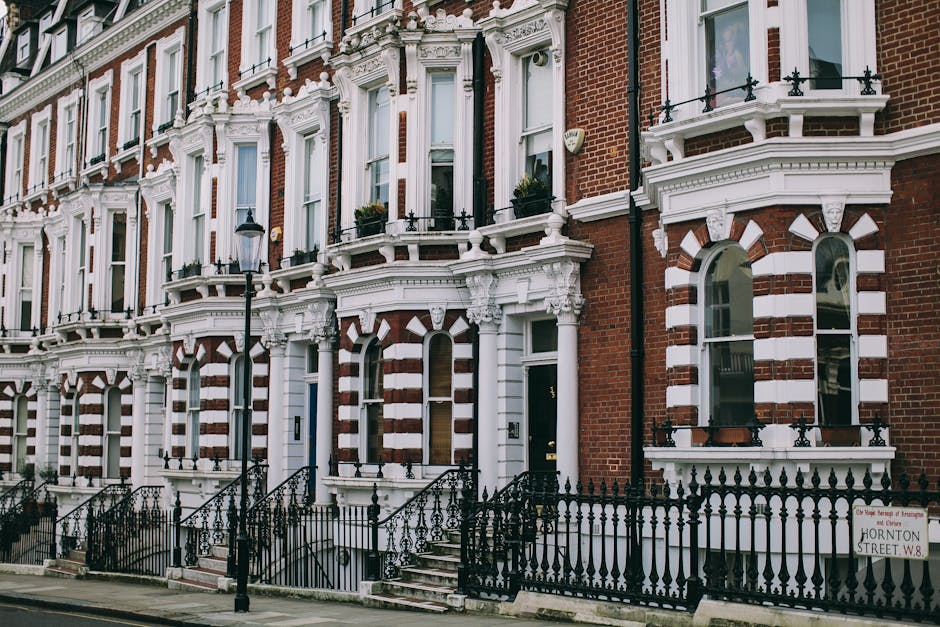
Victorian terraces in and around Fulham Road were not designed for modern furniture, big appliance packaging, or the kind of wardrobes that arrive flat-packed in six separate boxes and still somehow weigh a tonne. Staircases can be narrow and twisty, front doors may open into a cramped hallway, and bay windows or lower railings can complicate loading. If you are on a busy stretch of road, parking and timing add another layer of stress.
That matters because a move in a property like this is rarely just about lifting boxes. It is about managing access. A sofa that fits through the living room may still fail at the first turn on the stairs. A removal truck may arrive on time but have nowhere convenient to stop. Even the best-planned move can slip if you have not thought through the practicalities of the building itself.
To be fair, this is exactly where good removals advice earns its keep. It helps you decide whether you need a larger team, a smaller vehicle, extra packing support, or a more staged approach. It also helps protect walls, bannisters, door frames, and your own back. Nobody wants the "we'll just carry it through" approach when the staircase says otherwise.
A well-run move in a narrow terrace is usually a quiet, methodical one. Less drama. Fewer surprises. And, ideally, no scraping sound when the wardrobe turns the corner.
How Fulham Road removals tips for narrow Victorian terraces Works
The process starts before moving day, not on it. The main idea is to break the job into three parts: access, loading, and protection. Once those are planned properly, the rest becomes much easier to manage.
1. Access planning
Access planning means understanding how items will travel from each room to the vehicle. In a narrow terrace, that usually includes measuring stair width, door openings, hallway bottlenecks, and the tightest turns. If a piece of furniture has to pivot at an awkward angle, you need to know that in advance, not while half of it is already wedged on the landing.
2. Vehicle planning
Then there is the vehicle itself. In some cases a smaller van or a man and van service is more practical than a larger truck, especially where parking is tight or road space is limited. In other cases, a larger vehicle is still the right choice, but it needs a clear loading plan and a sensible arrival window. If you are moving a full house, a dedicated removal truck hire arrangement may be more suitable.
3. Packing and protection
Protection comes next. Furniture covers, mattress bags, door guards, floor runners, and proper wrapping all reduce the chance of scuffs and chips. In Victorian terraces, those old walls may have character, but they are often unforgiving. One careless bump and the plaster reminds everyone it is older than the furniture.
Good packing matters too. If boxes are overfilled, they become hard to carry through stairs and narrow landings. If they are underfilled, they collapse or shift. The sweet spot is stable, stackable, and not too heavy for one person to control safely. That sounds obvious, but on moving day obvious ideas are the ones people forget fastest.
Key Benefits and Practical Advantages
Using a properly planned approach for a narrow terrace move gives you more than just convenience. It reduces risk in ways that are easy to underestimate before the day arrives.
- Less damage to the property: Better handling means fewer marks on walls, banisters, doors, and floors.
- Faster loading and unloading: When the route is planned, items move in a smoother sequence.
- Lower physical strain: The right team, equipment, and packing style reduce the risk of someone carrying more than they should.
- Improved parking efficiency: A suitable vehicle and timing strategy help avoid delays caused by limited road space.
- Better control over fragile items: Delicate pieces can be separated, padded, and handled more carefully.
- Less stress overall: And this one is not small. A calmer move feels very different from a rushed one.
There is also a quiet financial advantage. Preventing damage can save repair or replacement costs later. You may not notice it on the day, but a scratched floorboard or broken lamp base can become the part of the move you remember most.
Expert summary: In narrow Victorian terraces, the best removals plan is usually not the biggest one. It is the most realistic one. Measure the awkward bits, protect the vulnerable surfaces, and choose a vehicle and team size that suit the actual building, not the ideal version of it.
Who This Is For and When It Makes Sense
This advice is useful for anyone moving in or out of a Victorian terrace near Fulham Road, but it becomes especially important in a few common situations.
- People moving from upper floors: Stair access can be the biggest bottleneck, especially with bulky furniture.
- Families with mixed-size furniture: Beds, cots, desks, dining tables, and wardrobes all behave differently on narrow stairs.
- Tenants moving under time pressure: Short tenancy windows and same-day handovers leave little room for trial and error.
- Owners selling or buying locally: Local moves can look easy on paper, yet access issues still create delays.
- People with fragile or valuable pieces: Artwork, mirrors, antiques, and older furniture need more than a casual carry-out.
- Anyone with limited helpers: If you do not have enough hands, the move can become awkward very quickly.
It also makes sense if you are deciding between a few service styles. Some moves only need a straightforward load-and-go setup. Others are better handled as a full house move with packing support and a larger vehicle. If you are unsure, comparing packing and unpacking services with a more hands-on moving approach can be a useful starting point.
Truth be told, narrow terrace moves are rarely the place to improvise. If your dining table has already defeated three doorways in the past, it will probably do so again.
Step-by-Step Guidance
Here is a practical way to prepare for a Fulham Road terrace move without overcomplicating it.
Step 1: Walk the route from each room to the street
Do a proper walkthrough with a tape measure. Start with the largest items first: sofas, mattresses, wardrobes, bookcases, tables, and white goods. Measure the narrowest part of the staircase, the hallway turns, and the front door opening. If something looks tight by eye, assume it will be tighter in motion.
Step 2: Decide what can be dismantled
Disassembling beds, removing table legs, and taking doors off hinges where appropriate can make a massive difference. Keep screws, bolts, and fittings in labelled bags. A small envelope taped to the furniture or box is often enough. Simple, but effective.
Step 3: Sort items by handling priority
Group items into categories: fragile, heavy, awkward, and quick-load. Fragile items need extra padding. Heavy items should be loaded with the route and weight balance in mind. Quick-load items include boxes, bags, and soft furnishings that can be stacked efficiently.
Step 4: Prepare the property
Protect floors and surfaces if needed. Remove trip hazards from stairs and hallways. Keep doors open where safe to do so. If the route is very tight, clear coat racks, hallway furniture, and any ornamental pieces that can be easily knocked. Victorian terraces often have charming little pieces in exactly the worst possible places. It happens.
Step 5: Confirm parking and timing
Parking near Fulham Road can be tricky, so plan the loading point carefully. Aim for a time window that gives the team room to work without rushing. If the move involves a larger vehicle, think about how it will stop, where ramps will go, and whether the pavement space is usable.
Step 6: Load in the right order
Load heavier, sturdier items first, then layer in medium-weight items, then lighter boxes and soft goods. Keep fragile items separated and clearly marked. If you are using a smaller team or a man with van arrangement, this ordering becomes even more important because every movement has to count.
Step 7: Check every room before leaving
Do a final room-by-room sweep. Cupboards, loft spaces, under beds, behind doors, and window ledges are the usual hiding spots for forgotten items. More than one move has been delayed by a stray charger, a keys tray, or that one important folder nobody remembered until the front door was already shut.
Expert Tips for Better Results
Some details only matter because narrow Victorian terraces are unforgiving about them. These are the practical touches that often make the difference.
- Use furniture blankets early, not late. Wrap items before they are carried down the staircase, not once they are already halfway out.
- Protect corners first. Tight hallways tend to catch on corners before anything else.
- Keep the heaviest items closest to the vehicle floor. It makes lifting safer and helps with balance.
- Don't fill every box to the top. Overpacked boxes become hard to grip on stairs. A few extra pounds can feel like a lot when your arms are already stretched.
- Use clear labels. Not poetic labels. Practical ones. "Kitchen: glasses" is useful. "Misc" is not, really.
- Break the move into zones. Front room, top floor, kitchen, and storage area. This keeps the team moving without confusion.
- Keep a simple essentials bag separate. Kettle, phone charger, documents, toiletries, medication, snacks. The boring stuff. The stuff you suddenly miss at 9pm.
If your move includes larger items that need extra attention, it may be worth checking whether furniture pick up support could help with pieces you are not taking to the new property. That can take pressure off the main removal day and reduce clutter quite a bit.
One small but useful tip: take a quick phone video of any awkward furniture before moving day. It helps you remember which side the drawers were on, and which leg needed loosening. Saves a bit of head scratching later.
Common Mistakes to Avoid
Most moving problems in narrow terraces are surprisingly predictable. They are less about bad luck and more about avoidable habits.
- Assuming standard furniture will fit without measuring. It often does not.
- Underestimating stair turns. A staircase can be technically wide enough but still impossible for a sofa to turn.
- Leaving packing until the last evening. That is how fragile items get rushed and boxes become chaotic.
- Choosing a vehicle that is too large for the street. Bigger is not always better in tight residential roads.
- Forgetting about parking distance. A few extra metres of carry may not sound like much until you repeat it twenty times.
- Not protecting floors and door frames. These are often the first surfaces to show damage.
- Loading in the wrong order. If the essentials end up buried, the first night in the new place becomes annoying very quickly.
Another common issue is trying to save time by leaving furniture assembled "just for the move". That can work for some lighter items, but not always. If there is any doubt, dismantling usually wins. Nobody enjoys doing a sideways shuffle with a wardrobe at knee height while trying not to hit the banister. Not fun.
Tools, Resources and Recommendations
You do not need a mountain of specialist kit, but a few basics make a move in a narrow terrace much easier.
Useful moving tools
- Measuring tape: For doors, stairs, furniture, and awkward corners.
- Furniture blankets and wraps: To protect wood, upholstery, and painted surfaces.
- Mattress covers: Especially helpful when the route is tight or dusty.
- Strong packing tape: For sealing boxes securely.
- Labels and markers: To keep rooms and contents organised.
- Basic hand tools: Screwdrivers, Allen keys, and a small spanner for dismantling.
- Gloves and sturdy footwear: Not glamorous, but genuinely useful.
Service options to consider
Depending on the scale of the move, a few service types may be relevant. A moving truck suits larger household loads. A smaller vehicle can be easier where access is tight. If you want help with heavy lifting and straightforward transport, man and van or man with van services may be more practical than a full-scale operation. For larger or more complex house moves, house removalists can bring more structure and capacity to the job.
If the move overlaps with an office or mixed-use relocation, it may even be worth looking at commercial moves or office relocation services where the needs are more specialised. Different move, different set of headaches. Same staircase though.
Law, Compliance, Standards, or Best Practice
While a domestic move in Fulham is not usually a heavily regulated event, there are still sensible standards and local considerations to respect. Best practice matters here because the street, the building, and other road users all have to be taken into account.
First, parking and loading should be planned in a way that avoids unnecessary obstruction. In London, that is more than just courtesy; it is part of keeping the move practical and lawful. If parking is tight or a bay is required, check the available arrangements in advance and allow enough time for loading so nobody feels rushed into a bad decision.
Second, movers should handle items safely. That means sensible lifting techniques, suitable footwear, and enough people for the size of the item. If a piece is too large or awkward for one person to control safely, it should be treated that way from the start. Common sense, yes, but worth saying plainly.
Third, insurance and care standards matter. A reputable removals setup should be clear about what it will and will not cover, and what happens if there is accidental damage. Read any terms carefully. A move is not the time for surprises buried in small print. If you want to understand the provider relationship better, it can help to review the company information on about us, plus the service terms in terms and conditions and privacy policy before booking.
Finally, if you are unsure whether you need a larger or more flexible setup, ask before moving day. A short conversation often prevents a long problem. That part is very normal, by the way.
Options, Methods, or Comparison Table
Choosing the right moving method for a narrow Victorian terrace usually comes down to how much furniture you have, how tight the access is, and how much help you need on the day.
| Option | Best for | Strengths | Watch-outs |
|---|---|---|---|
| Man and van | Smaller to medium moves with limited items | Flexible, often easier to park, good for quick loading | May be less suitable for large household loads or multiple bulky items |
| Man with van | Single loads, partial moves, or lighter household contents | Useful for tight access and practical lift-and-go jobs | Can be stretched if you have many large or fragile items |
| Moving truck | Full-home moves with more furniture | More capacity and better for larger inventories | Harder to manage in cramped streets and may need careful parking planning |
| Removal truck hire | Moves that need structured transport capacity | Good for bigger relocations and multiple room loads | Requires more planning for access, loading, and timing |
| Home moves support | General household relocations | Balanced approach for typical residential moves | Still needs careful access checks in narrow terraces |
The right choice is rarely the one with the most capacity. It is the one that fits the actual building. That sounds obvious, but people still get caught out by it. A larger vehicle does not solve a narrow staircase. It just arrives with confidence.
Case Study or Real-World Example
Imagine a second-floor flat in a Victorian terrace off Fulham Road. The property has a narrow hallway, a tight turn at the top of the stairs, and a dining table that was inherited rather than chosen. The table is solid wood, heavy, and just awkward enough to be a problem.
In a move like this, the practical solution would usually be to dismantle the table legs, protect the corners, and carry the top with two people rather than forcing it down in one piece. The mattress would be bagged, mirrors wrapped, and the route from the front room to the street would be cleared before the team arrived. If parking was limited, a smaller vehicle or man and van setup could reduce the time spent blocked in traffic or searching for space.
What tends to happen in real life is that the first instinct is to move quickly. But the moves that go best are often the ones where someone pauses for ten minutes, measures properly, and decides to dismantle one stubborn piece of furniture before it becomes the day's main problem. You can almost hear the relief when the sofa clears the stair bend on the first try. Small victory, but a real one.
That sort of steady preparation is what keeps a Fulham Road move manageable rather than messy. Not glamorous, no. Effective, absolutely.
Practical Checklist
Use this before moving day if you want a more controlled process.
- Measure all major furniture and the tightest parts of the route.
- Check stair turns, hallway widths, and front door openings.
- Decide which furniture should be dismantled.
- Gather wraps, blankets, tape, labels, and tools.
- Pack fragile items separately and mark them clearly.
- Protect floors, banisters, and door frames where needed.
- Confirm parking and the best arrival window.
- Prepare a separate essentials bag for the first night.
- Sort items by room and priority before the team arrives.
- Do a final sweep of cupboards, lofts, and hidden corners.
If you want to make the day even easier, consider whether professional packing support would reduce the pressure. The right help can take the edge off a move that is already demanding enough.
Conclusion
Fulham Road removals tips for narrow Victorian terraces come down to one straightforward idea: respect the space you are moving through. Measure the awkward bits. Protect the old surfaces. Choose the right vehicle. Do not assume the sofa will magically cooperate, because it probably won't.
With thoughtful planning, a narrow terrace move becomes more predictable and far less stressful. You may still hear a bit of banging, a few calls up the staircase, and the occasional "careful with that corner", but that is normal. The aim is not perfection. It is control, safety, and a move that leaves both the property and your nerves in decent shape.
Get a free quote today and see how much you can save.
And when it is all done, there is something quietly satisfying about standing in an empty room and hearing the echo. Fresh start, same Fulham Road, just a little less clutter. That's a good feeling.
Frequently Asked Questions
What makes narrow Victorian terraces harder to move in?
The main challenge is access. Narrow staircases, tight landings, awkward door angles, and limited hallway space can make large furniture difficult to manoeuvre safely. Parking nearby can also be tricky, which adds time pressure.
Should I dismantle furniture before moving day?
Yes, where practical. Beds, tables, shelving, and some wardrobes are easier to move when broken down into smaller parts. It reduces the chance of damage and makes the route through narrow spaces much simpler.
Is a man and van service enough for a Fulham Road terrace move?
It can be, especially for smaller loads or partial moves. If you have several large items, multiple rooms of furniture, or difficult access, a larger removal setup may be better.
How do I know if my sofa will fit down the stairs?
Measure the sofa's length, width, and depth, then compare those numbers with the narrowest stair turn, hallway, and door opening. If the route looks tight on paper, it is usually tight in reality too.
What should I pack first for a narrow terrace move?
Start with non-essential items, decorations, books, spare linens, and anything you will not need before moving day. Keep essentials, chargers, toiletries, and paperwork separate so you can reach them easily.
How early should I arrange removals for a move on Fulham Road?
As early as you can, especially if parking, access, or a specific moving date is important. Busy periods fill up fast, and it helps to have time for measuring, dismantling, and planning properly.
What is the biggest mistake people make in Victorian terrace moves?
Underestimating the stairway and hallway. People often focus on the furniture itself and forget the route. The furniture may be fine; the turning angle usually is not.
Do I need special packing materials?
Not always special, but definitely sturdy. Good boxes, tape, blankets, wrapping, and mattress covers go a long way. For fragile or valuable pieces, extra padding is sensible.
Can narrow terraces damage furniture during a move?
Yes, if items are forced through tight spaces or carried without protection. Scratches, dents, and fabric tears are common risks. Careful wrapping and slower handling reduce those risks significantly.
What should I do about parking on the day?
Plan it in advance. Check where the vehicle can stop, how far items will need to be carried, and whether the loading point is realistic. In busy residential areas, that part can make or break the timing of the move.
Are packing and unpacking services worth it?
They can be, especially if you are moving a full home, short on time, or dealing with fragile household contents. They help reduce stress and make it easier to keep boxes organised from the start.
How can I make the move less stressful overall?
Keep the plan simple: measure, dismantle what you can, pack in categories, and choose a moving option that fits the property rather than fighting it. A calm, realistic plan usually beats a rushed one every time.